
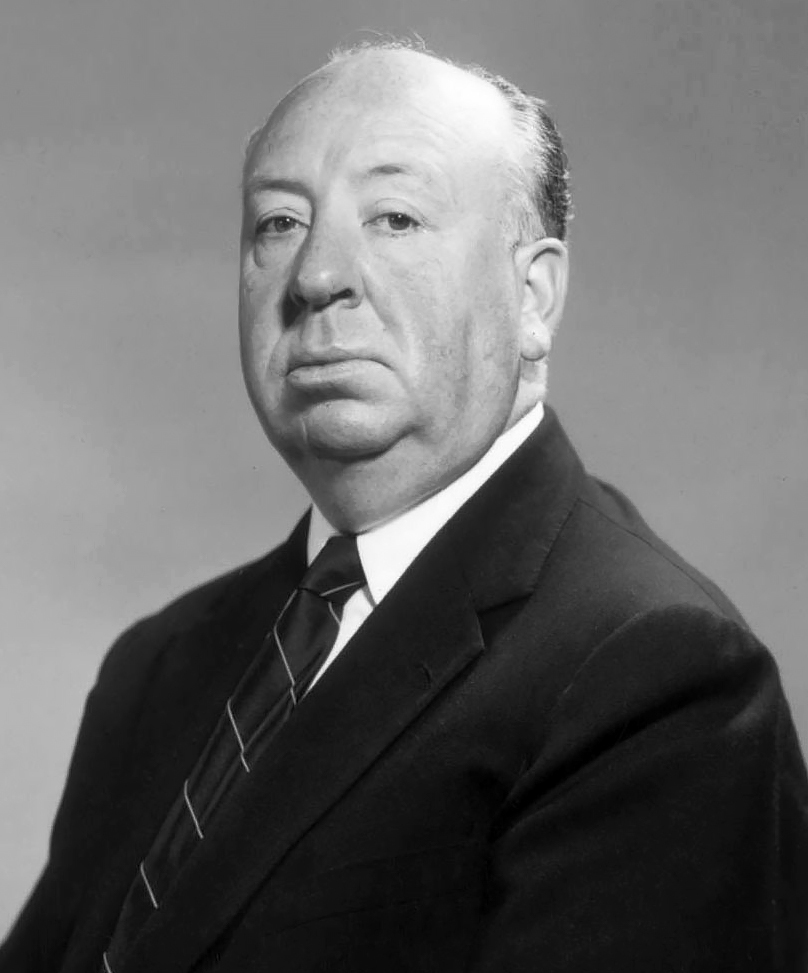
Alfred Hitchcock
Celebrated for Director & Distinctive Filmmaking
Biography
Sir Alfred Joseph Hitchcock KBE was an English film director and producer widely acknowledged as one of the most influential and foundational figures in the history of cinema, universally revered as the 'Master of Suspense.' Over a storied career spanning six decades and more than 50 feature films, Hitchcock pioneered groundbreaking cinematic techniques that became the grammar of modern visual storytelling, including subjective point-of-view camera framing, montage theory, camera zooms that mimic voyeurism, and the revolutionary dolly zoom effect in Vertigo. After dominating British cinema with classics like The 39 Steps and The Lady Vanishes, Hitchcock moved to Hollywood, winning the Academy Award for Best Picture for Rebecca (1940). He followed with an unprecedented string of era-defining masterworks, including Shadow of a Doubt, Rope, Strangers on a Train, Rear Window (1954), Vertigo (1958, voted by Sight & Sound as the greatest film of all time), North by Northwest (1959), Psycho (1960), and The Birds (1963). Awarded the AFI Life Achievement Award and knighted by Queen Elizabeth II, Hitchcock's genius remains timeless. Knighted by Queen Elizabeth II in 1980, Hitchcock's innovative use of camera movement, subjective point-of-view editing, and psychological suspense permanently revolutionized cinematic storytelling across world cinema.
Known For Highlights
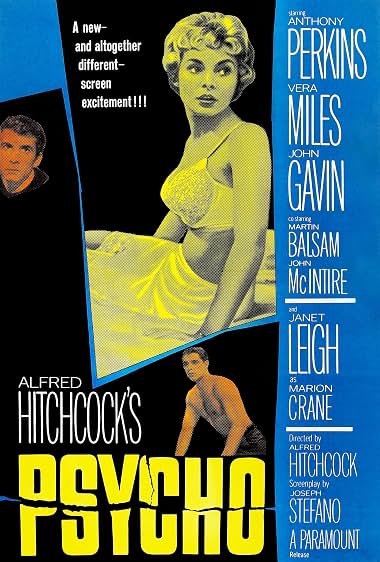

Career Filmography Timeline
Explore Alfred Hitchcock's creative trajectory across iconic releases, breakthrough eras, and critical milestones.
1954 — 1960 (7 yrs)
Longevity TimelinePsycho
★ 8.5 / 10 Masterpiece$87M
Lifetime Worldwide2 Verified Works
Across All CreditsNo credits in this selection
Try clearing department or decade filters to see more entries.