
 TonightOnScreen Catalog
Explore Entertainment • Romance
Search our curated catalog of cinema releases, binge-worthy series, and where to stream them.
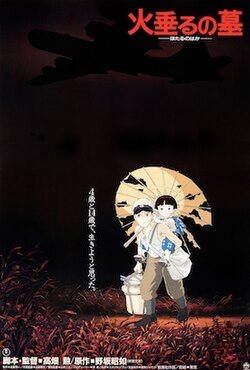
Grave of the Fireflies
Grave of the Fireflies is a profoundly moving, devastating, and universally acclaimed animated war tragedy written and directed by Isao Takahata, standing as one of the most powerful anti-war cinematic statements ever created. Adapted from Akiyuki Nosaka's semi-autobiographical novella, the narrative opens in September 1945 at Sannomiya Station in Kobe, where Seita, an emaciated teenage boy, succumbs to starvation before his spirit reunites with his sweet four-year-old sister Setsuko, recounting the tragic events of their final months. During the horrific firebombing of Kobe by American B-29 bombers, their mother is fatally burned, and their father, an officer in the Imperial Japanese Navy, is lost at sea. Orphaned and homeless amidst the smoldering ruins of their city, Seita and Setsuko initially seek refuge with an emotionally distant, increasingly hostile aunt who begrudges their rations. Determined to preserve his sister's innocence and protect her from adult cruelty, proud Seita moves Setsuko into an abandoned, damp hillside bomb shelter, illuminating their cavernous dark nights by releasing dozens of luminous fireflies beneath their mosquito netting. However, as extreme wartime famine, isolation, and economic desperation grip the countryside, Setsuko slowly succumbs to severe malnutrition despite Seita's frantic, desperate efforts to forage and steal food amidst air raids. Handled with extraordinary empathy, poetic realism, and gut-wrenching emotional purity, Grave of the Fireflies serves as an indelible, heartbreaking monument to the innocent child victims of warfare and the fragile, enduring bonds of sibling love.
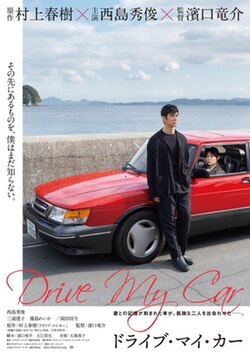
Drive My Car
Drive My Car is an exquisite, meditative, and emotionally profound drama directed by Ryusuke Hamaguchi, based on Haruki Murakami's short story, which captivated global critics and became the first Japanese film in history to be nominated for the Academy Award for Best Picture while winning the Academy Award for Best International Feature Film. The narrative follows Yusuke Kafuku, an accomplished, introspective Tokyo theater director and actor who enjoys a deeply intimate, creative marriage with his screenwriter wife, Oto, who invents intricate stories during their moments of intimacy. When Oto suddenly dies of a cerebral hemorrhage, Kafuku is left emotionally paralyzed by grief and unanswered questions regarding her hidden infidelities. Two years later, Kafuku accepts an artistic residency at a theater festival in Hiroshima to direct a multilingual stage production of Anton Chekhov's Uncle Vanya. Per insurance policy rules, the festival assigns him Misaki Watari, a reserved, stoic twenty-year-old chauffeur, to drive his cherished red Saab 900 Turbo along the coastal highways between his apartment and the rehearsals. Initially uncomfortable sharing his quiet automobile sanctuary, Kafuku develops an unexpected, tender therapeutic bond with Misaki during their daily coastal commutes. As Kafuku directs his diverse cast—including a volatile young television star who was Oto's former secret lover—he and Misaki gradually exchange confessions regarding their shared guilt, past tragedies, and unresolved grief. Praised for its sublime pacing, quiet humanism, and emotional catharsis, Drive My Car is an unforgettable journey through loss and the courage to endure.