
 TonightOnScreen Catalog
Explore Entertainment • Comedy
Search our curated catalog of cinema releases, binge-worthy series, and where to stream them.

Spider-Man: Into the Spider-Verse
Directed by Bob Persichetti, Peter Ramsey, and Rodney Rothman and produced by Phil Lord and Christopher Miller, Sony Pictures Animation's Spider-Man: Into the Spider-Verse fundamentally revolutionized modern cinematic animation, capturing the Academy Award for Best Animated Feature. Centered on Miles Morales (Shameik Moore), an Afro-Latino Brooklyn teenager struggling with parental expectations and identity at a prestigious boarding school, Miles's life changes forever when he is bitten by a radioactive spider and witnesses the tragic death of Peter Parker at the hands of Kingpin (Liev Schreiber). Kingpin's subterranean Super-Collider tears open the fabric of the multiverse, pulling five alternative Spider-heroes into Miles's dimension: a jaded, sweatpants-wearing middle-aged Peter B. Parker (Jake Johnson), rebellious punk-rock Gwen Stacy / Spider-Woman (Hailee Steinfeld), 1930s black-and-white private eye Spider-Man Noir (Nicolas Cage), anime schoolgirl Peni Parker, and cartoon pig Peter Porker / Spider-Ham. Inventing a groundbreaking visual grammar that synthesizes traditional hand-drawn comic book halftone Ben-Day dots, dynamic graffiti, and hip-hop beats, Miles's iconic 'Leap of Faith' off a skyscraper symbolizes pure courage and representation: 'Anyone can wear the mask. You could wear the mask.'
Amélie
Directed with boundless visual whimsy, warm nostalgic lyricism, and eccentric genius by Jean-Pierre Jeunet, Amélie (Le Fabuleux Destin d'Amélie Poulain, 2001) is universally celebrated as one of the most beloved, enchanting, and internationally successful French films in motion picture history, grossing over $174 million worldwide and earning five Academy Award nominations including Best Original Screenplay and Best Foreign Language Film. Set in a hyper-stylized, romanticized Parisian village of Montmartre saturated in warm sepia, emerald greens, and vibrant reds, the narrative follows Amélie Poulain (Audrey Tautou in an immortal, career-defining performance of wide-eyed innocence, mischievous charm, and radiant soul), an imaginative, introverted young waitress working at the Two Windmills café. Having endured an isolated childhood with an eccentric, emotionally distant father following her mother's tragic demise, Amélie retreats into a rich interior world of simple pleasures: cracking crème brûlée with a teaspoon, skipping stones on the Canal Saint-Martin, and observing Parisian eccentrics. On the night Princess Diana dies in August 1997, Amélie discovers a secret tin box of childhood memorabilia hidden behind her bathroom wall forty years earlier. Tracking down the now-elderly owner and witnessing his overwhelming, tearful joy upon its return, Amélie adopts a secret vocation: executing elaborate, anonymous acts of kindness to transform the lives of lonely neighbors, shopkeepers, and a reclusive painter with brittle bones. However, when she becomes captivated by Nino Quincampoix (Mathieu Kassovitz), an eccentric collector of discarded photo-booth snapshots, Amélie must summon the courage to confront her own fear of vulnerability and pursue her own happiness. Scored by Yann Tiersen's accordion and piano melodies, Amélie is a timeless celebration of human empathy.

Super Deluxe
Directed, written, and produced by cult auteur Thiagarajan Kumararaja in collaboration with brilliant co-writers Mysskin, Nalan Kumarasamy, and Neelan K. Sekar, Super Deluxe (2019) is universally revered as one of the most audacious, visually idiosyncratic, and philosophically complex multi-narrative postmodern masterpieces ever produced in Indian cinema. Interweaving four seemingly disparate stories across Chennai over a single chaotic, fateful day, the narrative explores profound themes of morality, gender identity, institutional hypocrisy, religious dogma, and the cosmic insignificance of human suffering. In the first strand, unfaithful wife Vembu (Samantha Ruth Prabhu) and her guilt-ridden husband Mugil (Fahadh Faasil) must frantically dispose of the corpse of Vembu's former lover, who died suddenly of a heart attack during an illicit liaison, drawing the attention of a brutally corrupt, voyeuristic police inspector Berlin (Mysskin). In the second strand, transgender woman Shilpa (Vijay Sethupathi in a transcendent, National Film Award-winning performance of breathtaking grace, maternal love, and heartbreaking vulnerability) returns to her family to reunite with her joyful young son Rasukutty, only to be subjected to humiliating abuse by transphobic authorities. In the third strand, four horny schoolboys skip class to watch an adult film, only to experience psychological trauma when they discover the actress is one of the boy's own mother (Ramya Krishnan as Leela). In the fourth strand, a fanatical religious man (Aruldoss) experiences a crisis of faith after a miraculous event. Featuring Yuvan Shankar Raja's mesmerizing synth-infused musical landscape and P.S. Vinod and Nirav Shah's vibrant, neon-drenched cinematography, Super Deluxe is a dizzying, intellectually exhilarating cinematic triumph that redefines the boundaries of Indian storytelling.

Andhadhun
Sriram Raghavan's 2018 black comedy crime thriller Andhadhun is widely celebrated as one of the greatest, most ingeniously crafted screenplays in modern Indian cinema, winning three National Film Awards including Best Feature Film in Hindi and Best Actor for Ayushmann Khurrana. Khurrana stars as Akash, a talented Pune pianist who feigns complete blindness under the pretension that visual deprivation enhances his musical creativity. While performing at a private anniversary concert at the luxury apartment of washed-up 1970s Bollywood actor Pramod Sinha (Anil Dhawan), Akash inadvertently walks into a horrific crime scene: Pramod lies dead on the floor, murdered by his seductive younger wife Simi (Tabu in a delightfully wicked, career-best turn) and her corrupt police inspector lover Manohar (Manav Vij). Trapped in a terrifying dilemma, Akash must perform Beethoven on the piano while literally stepping over a corpse without revealing that he can see. As Simi discovers his secret, a chaotic spiral of poisonings, organ harvesting, and blind escapes ensues. Concluding with a legendary, endlessly debated open-ended final cane flick, Andhadhun grossed over ₹450 crore worldwide, becoming a massive blockbuster in India and China.

The Truman Show
Peter Weir's brilliant, prophetic 1998 satirical dramedy The Truman Show predicted the omnipresent voyeurism of modern reality television, 24/7 digital surveillance, and curated online reality with uncanny prescience. Jim Carrey delivers an extraordinary, Golden Globe-winning dramatic performance as Truman Burbank, an affable insurance salesman living in Seahaven Island—a picture-perfect, idyllic coastal community. Unbeknownst to Truman, his entire existence is an elaborate, 24-hour-a-day live television broadcast beamed to billions across the globe. Since birth, Truman has lived inside the world's largest geodesic soundstage, surrounded by 5,000 hidden cameras and professional actors—including his bubbly wife Meryl (Laura Linney) and best friend Marlon (Noah Emmerich)—all orchestrated by visionary, god-like producer Christof (Ed Harris in an Oscar-nominated turn) from a lunar control room. When a falling studio spotlight and a series of radio glitches shatter his reality, Truman embarks on an existential quest to conquer his trauma and escape. Featuring Philip Glass's minimalist score and Carrey's triumphant sign-off ('In case I don't see ya, good afternoon, good evening, and good night!'), The Truman Show remains one of cinema's most profound philosophical allegories.
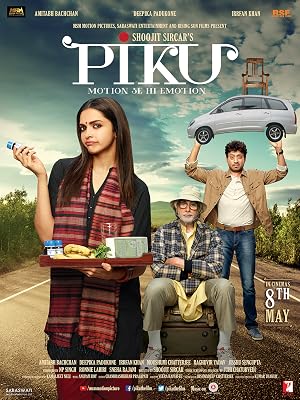
Piku
Piku is a delightfully warm, quirky, and deeply perceptive comedy-drama directed by Shoojit Sircar that turns the everyday absurdities of aging parents, family duty, and chronic digestive troubles into an unforgettable celebration of unconditional love. The story revolves around Piku Banerjee, played with sharp-witted authenticity, stressed vulnerability, and natural grace by Deepika Padukone. Piku is an independent, successful architect in New Delhi whose daily existence is constantly derailed by the endless demands and eccentric hypochondria of her 70-year-old widowed father. Her father, Bhashkor Banerjee, portrayed in a comic masterclass of stubborn obstinacy and theatrical eccentricity by Amitabh Bachchan, is a retired civil engineer who micro-manages every household detail and views his chronic constipation as the central philosophical crisis of the universe. When Bhashkor stubbornly insists on visiting his ancestral home in Kolkata but adamantly refuses to travel by air or train due to his erratic bowel movements, Piku is forced to organize a grueling 1,500-kilometer road trip in an ambassador car. Enter Rana Chaudhary, played with deadpan brilliance, world-weary patience, and gentle charm by the legendary Irrfan Khan. Rana is the owner of a boutique taxi service who is reluctantly forced to drive the bickering father and daughter himself after all his drivers refuse the difficult assignment. Along the highway, Rana's pragmatic advice and calm diplomacy slowly bridge the communication gap between Piku and Bhashkor, sparking a subtle, mature romance between Rana and Piku. Moushumi Chatterjee enlivens the journey as Chhobi Mashi, Piku's outspoken aunt whose pragmatic views on marriage and modern life contrast hilariously with Bhashkor's conservative fears. With its organic humor, realistic family banter, and heartwarming melancholia, Piku stands as a modern cinematic gem about honoring our parents through life's strangest journeys.
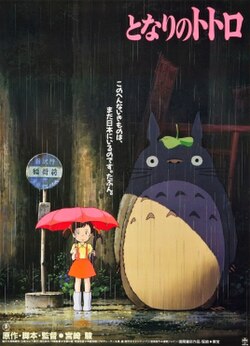
My Neighbor Totoro
My Neighbor Totoro is an enchanting, timelessly heartwarming animated masterpiece written and directed by Hayao Miyazaki, capturing the pure magic of childhood wonder and the healing embrace of the natural world with unmatched emotional resonance. Set in pastoral, postwar rural Japan during the 1950s, the story centers on ten-year-old Satsuki and her spirited four-year-old sister Mei, who move with their scholarly father into an eccentric, weathered country house to be closer to the convalescent rural hospital where their mother is recovering from long-term tuberculosis. As the energetic sisters explore their sunlit, sprawling surroundings, they uncover that the ancient, overgrown camphor tree and surrounding forests are inhabited by playful sootsprites and friendly, unseen forest spirits. While chasing a tiny creature through a briar maze, curious young Mei falls deep into the hollow of the giant camphor tree and meets Totoro, a towering, furry, and benevolent ancient forest spirit with a roaring yawn. Soon, Satsuki joins Mei in encountering Totoro during a poignant, rainy evening at a forest bus stop, witnessing him summon a magnificent, multi-legged feline Catbus that zips effortlessly across telephone wires. When an alarming hospital telegram creates panic and little Mei goes missing while trying to bring fresh garden corn to her ailing mother, Satsuki turns to Totoro and the supernatural spirits of the woods to reunite their family. Universally celebrated for its gentle pacing, evocative watercolors of Japanese countryside, and deep emotional sincerity, My Neighbor Totoro remains one of the most beloved and culturally iconic family treasures in cinematic history.

Dil Chahta Hai
Written and directed by Farhan Akhtar in a historic directorial debut that permanently transformed modern Hindi cinema, Dil Chahta Hai (The Heart Yearns, 2001) won the National Film Award for Best Feature Film in Hindi and two Filmfare Awards, universally hailed as the definitive coming-of-age cultural touchstone for urban Indian youth. Shattering the melodramatic tropes and traditional conventions of Bollywood, the film brought authentic conversational dialogue, chic western fashion, contemporary humor, and emotional maturity to the screen. The narrative chronicles the enduring bond and subsequent emotional fracturing of three inseparable wealthy Mumbai college graduates: Akash Malhotra (Aamir Khan in an iconic goatee and charmingly cynical persona who disbelieves in true love), Sameer (Saif Ali Khan in a career-redefining, delightfully vulnerable comic turn who falls in love at the drop of a hat), and Siddharth 'Sid' Sinha (Akshaye Khanna in a deeply sensitive, poetic, and National Award-worthy dramatic masterclass). Following a legendary, celebratory road trip to the scenic ruins of Chapora Fort in Goa—which permanently turned Goa into an essential pilgrimage site for Indian youth—the trio's carefree fraternity fractures as adult realities intrude. Akash is dispatched to Sydney, Australia, to manage his family's business, where he unexpectedly falls deeply in love with Shalini (Preity Zinta in a radiant, progressive performance). Meanwhile, Sid shocks his family and friends by falling in love with Tara Jaiswal (Dimple Kapadia), an older, divorced alcoholic interior designer, leading to a bitter confrontation with Akash. Featuring Shankar-Ehsaan-Loy's fresh pop-rock soundtrack and Ravi K. Chandran's glossy cinematography, Dil Chahta Hai is an immortal celebration of youthful brotherhood, love, and maturity.

The Big Lebowski
Written, produced, and directed by the visionary filmmaking duo Joel and Ethan Coen, The Big Lebowski (1998) is universally celebrated as the undisputed pinnacle of American cult comedy, generating an enduring global subculture, annual festivals, and a recognized philosophical movement known as Dudeism. Set against the surreal, sprawling urban landscape of early 1990s Los Angeles during the Persian Gulf War, the story follows Jeffrey 'The Dude' Lebowski (Jeff Bridges in an immortal, culturally transcendent tour de force of relaxed slacker charisma), an unemployed, bathrobe-wearing, White Russian-sipping bachelor whose daily aspirations revolve entirely around bowling, joint-smoking, and listening to Creedence Clearwater Revival on cassette. The Dude's blissful zen equilibrium is violently shattered when two thuggish debt collectors mistake him for a wealthy Pasadena millionaire who shares the exact same name—'The Big' Jeffrey Lebowski—and urinate on his favorite living room rug that 'really tied the room together.' Seeking simple restitution for his ruined floor covering, The Dude visits the cantankerous, wheelchair-bound tycoon, only to be unwittingly recruited as a bagman to deliver a $1 million ransom for the millionaire's kidnapped trophy wife Bunny. Aided by his volatile, gun-toting Vietnam War veteran bowling partner Walter Sobchak (John Goodman in an explosive comedic masterclass) and timid friend Donny (Steve Buscemi), The Dude's errand descends into a labyrinth of German nihilists, avant-garde feminist painters (Julianne Moore as Maude Lebowski), pornographic kingpins (Ben Gazzara), a pedophilic bowling rival named Jesus Quintana (John Turturro), and hallucinatory Busby Berkeley-style bowling dream sequences. Shot with Roger Deakins's stylish cinematography and Carter Burwell's eclectic musical cues, The Big Lebowski remains an effortlessly brilliant, endlessly quotable masterpiece of modern cinematic absurdity: 'The Dude abides.'
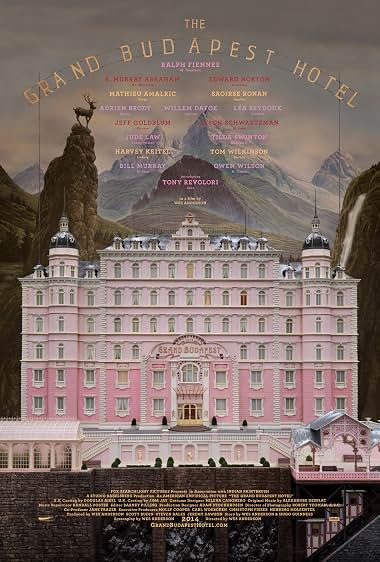
The Grand Budapest Hotel
Wes Anderson's visually dazzling, pastel-hued 2014 masterpiece The Grand Budapest Hotel stands as the auteur filmmaker's most commercially successful and critically revered achievement, grossing over $172 million globally and winning four Academy Awards. Set in the fictional, idyllic Central European alpine Republic of Zubrowka between the World Wars, the narrative unfolds through intricate nested flashback framing devices inspired by the literary works of Stefan Zweig. Ralph Fiennes delivers a career-defining comic and dramatic tour de force as Monsieur Gustave H., the fastidious, poetry-quoting, and impeccably perfumed legendary concierge of the opulent Grand Budapest Hotel, who maintains intimate romantic bonds with wealthy, elderly female clientele. When his octogenarian lover Madame D. (Tilda Swinton) dies under suspicious circumstances and bequeaths him an invaluable Renaissance painting entitled Boy with Apple, Gustave finds himself framed for murder by her ruthless fascist son Dmitri (Adrien Brody) and pursued by an unfeeling hitman (Willem Dafoe). Aided by his loyal young refugee lobby boy Zero Moustafa (Tony Revolori) and an apprentice baker with a Mexico-shaped birthmark named Agatha (Saoirse Ronan), Gustave orchestrates a daring prison break and cross-country train chase to prove his innocence. Featuring Alexandre Desplat's Oscar-winning folk balalaika score and Robert Yeoman's meticulously framed aspect ratio shifts, The Grand Budapest Hotel is a melancholic ode to a bygone era of elegance.

Fargo
Joel and Ethan Coen's 1996 neo-noir black comedy crime masterpiece Fargo stands as a pitch-perfect synthesis of regional Midwestern eccentricity, tragic greed, and shocking violence, winning two Academy Awards for Best Actress and Best Original Screenplay. Set across the blinding, frozen, snow-swept tundra of Minnesota and North Dakota, the narrative begins when pathetic, debt-ridden Minneapolis car salesman Jerry Lundegaard (William H. Macy in a sweat-drenched, iconic turn) concocts a desperate, half-baked scheme: hiring two sleazy petty criminals, Carl Showalter (Steve Buscemi) and the mute psychopath Gaear Grimsrud (Peter Stormare), to kidnap his own wealthy wife to extort a $1 million ransom from his disdainful father-in-law. When the botched abduction results in three senseless roadside murders, cheerful, seven-months-pregnant Brainerd police chief Marge Gunderson (Frances McDormand in an Oscar-winning, immortal performance of warmth and moral clarity) takes charge of the investigation. Featuring Carter Burwell's majestic Scandinavian-inspired score and Roger Deakins's vast whiteout cinematography—culminating in the infamous woodchipper sequence—Fargo is cinematic genius. Roger Deakins's stark, snow-drenched cinematography combined with Carter Burwell's haunting orchestral score cements Fargo as an enduring dark comedy milestone celebrated for its eccentric regional dialogue and eccentric moral worldview.
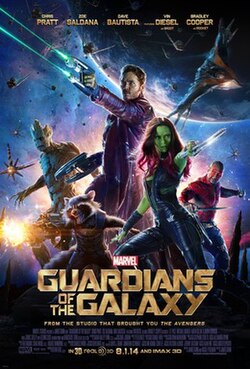
Guardians of the Galaxy
Guardians of the Galaxy, written and directed by James Gunn, is an exuberantly quirky, wildly irreverent, and heartfelt cosmic space-opera that transformed a group of obscure, third-tier comic-book misfits into one of the most beloved pop-culture phenomena in modern cinema. The intergalactic adventure ignites when Peter Quill, an Earth-born celestial orphan operating under the swaggering moniker 'Star-Lord', steals a mysterious, heavily coveted orb from the subterranean ruins of planet Morag. Quill instantly becomes the target of a vicious manhunt orchestrated by Ronan the Accuser, a fanatical Kree warlord who has brokered a pact with Thanos to obliterate the civilized planet of Xandar in exchange for the relic. After a chaotic street shootout and capture on Xandar, Quill is incarcerated within the high-security Kyln space penitentiary alongside an eccentric roster of criminal outcasts: Gamora, Thanos’s deadly, conscience-stricken adopted assassin daughter; Drax the Destroyer, a literal-minded musclebound brawler seeking vengeance for his slaughtered family; Rocket, a genetically modified, foul-mouthed cynical raccoon weapons engineer; and Groot, a sentient tree of boundless loyalty and gentle wisdom. Banding together to engineer an audacious prison escape and sell the orb to the highest bidder, the ragtag crew discovers the artifact contains the Power Stone—an ancient cosmic singularity capable of incinerating entire planets upon contact. Propelled by the irresistible nostalgic energy of 'Awesome Mix Vol. 1' and infectious ensemble warmth, Guardians of the Galaxy is a dazzling triumph of found-family and cosmic heroism.